
Alongside the excitement of feeling the baby’s first kicks, pregnant women should be aware of the various tests and checks that play a key part in prenatal care during this trimester. These assessments help monitor the health and development of both you and your baby.
Here we explore the key tests and checks that you can expect to undergo during the second trimester.
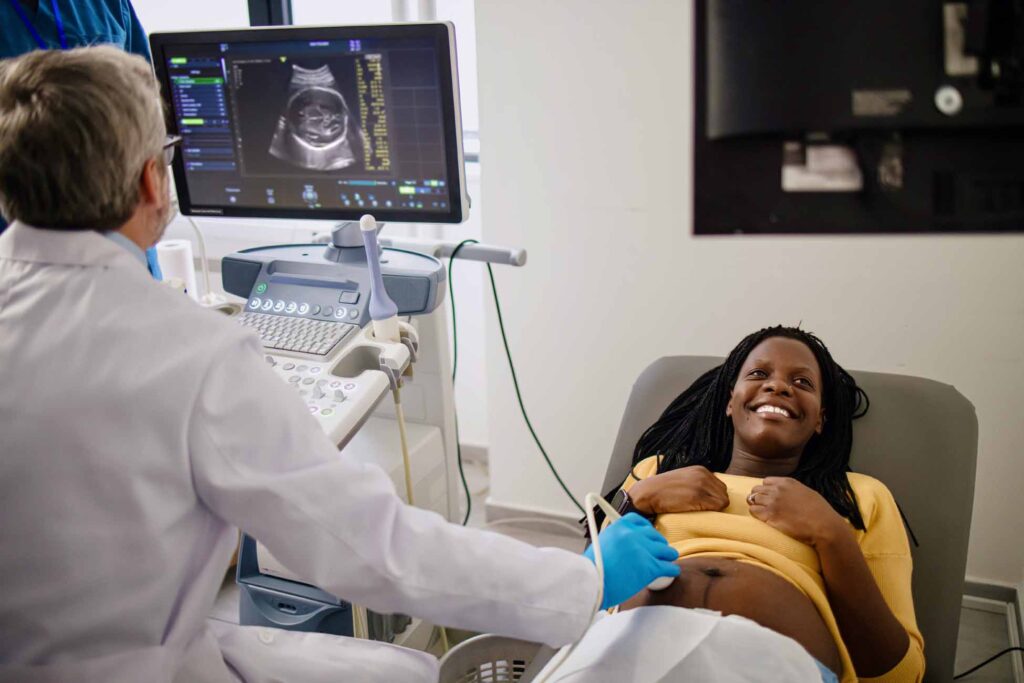
One of the most anticipated tests during the second trimester is the ultrasound. Typically performed at around 18–22 weeks, this imaging technique provides a detailed view of the baby’s development. It helps determine the baby’s gender, assess organ formation, and identify potential abnormalities.
This blood test, usually conducted between 15 and 20 weeks, screens for potential genetic disorders such as Down syndrome, neural tube defects (such as spina bifida), and trisomy 18. To check for these disorders, the test measures levels of alpha-fetoprotein (AFP), human chorionic gonadotropin (hCG), estriol, and inhibin A in the mother’s blood.
Between 24 and 28 weeks, pregnant women are commonly screened for gestational diabetes. This involves drinking a glucose solution, followed by a blood test to measure blood sugar levels. Early detection and management of gestational diabetes are crucial for the wellbeing of both the mother and the baby.
Regular blood pressure checks become even more important during the second trimester. Elevated blood pressure can indicate conditions like pre-eclampsia, which may affect the mother’s organs and the baby’s growth. Monitoring blood pressure helps identify potential issues early on.
Around the midpoint of the second trimester, expectant mothers may undergo a blood test to check for anaemia. Iron-deficiency anaemia is common during pregnancy and can be addressed through dietary changes or iron supplements.
If you have a negative blood type (Rh-negative), you may undergo an antibody screening test at around 28 weeks. This test helps identify any potential issues related to blood compatibility between you and your baby, which require appropriate medical interventions.
This test can be performed between 35 and 37 weeks, and checks for the presence of GBS bacteria in the mother’s rectum and vagina. If detected, precautions can be taken during labour to prevent transmission to the baby. However, this is not a routine test at every NHS trust. It may be detected on routine urine samples or vaginal swabs.
Healthcare providers routinely measure the height of the uterus, known as fundal height, to assess the baby’s growth and ensure it aligns with the expected milestones. This non-invasive test helps track the baby’s development and identify any potential concerns. If there are any concerns with your baby’s growth, you may be sent for a growth scan to confirm any issues.