
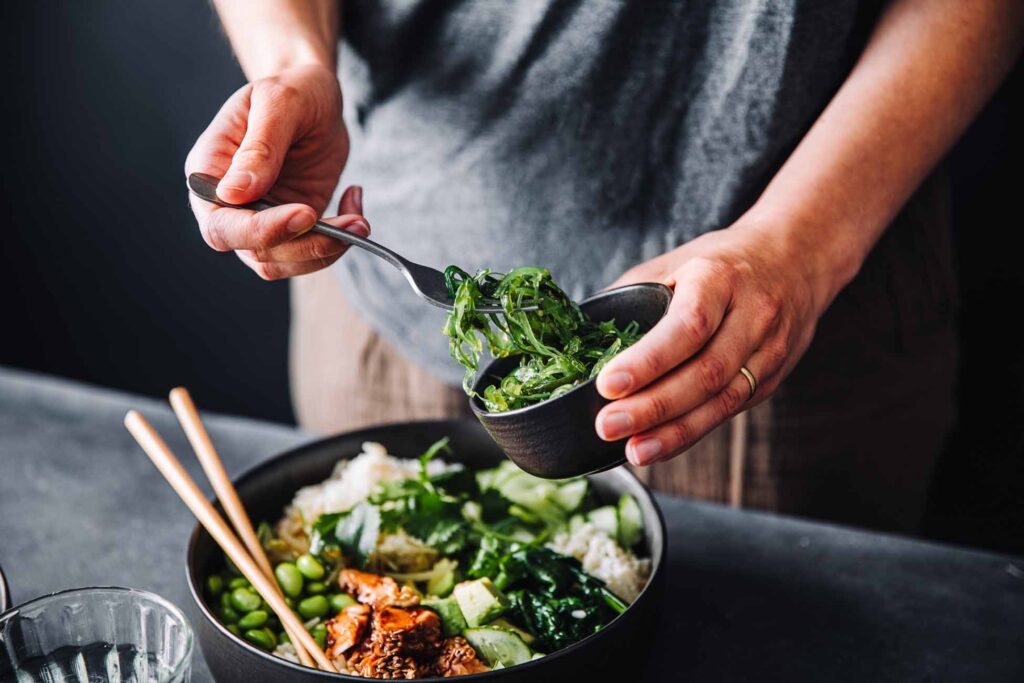
The second trimester is a critical period of growth and development for both the mother and the growing baby, which puts increased nutritional demands on your body. To meet these, it’s vital to eat a well-balanced and nutrient-rich diet. In this article, we outline some specific dietary recommendations for this trimester to help you make informed choices about nourishing yourself and your baby.
Protein is a fundamental building block for foetal development and helps in the formation of the baby’s organs, muscles and tissues. Include lean sources of protein such as poultry, fish, eggs, dairy products, legumes (including pulses, beans and peas) and tofu in your diet. Aim to eat at least 75–100 grammes of protein per day.
Adequate iron and folate intake is crucial during the second trimester, to prevent anaemia and support the baby’s neural tube (brain, spine and spinal cord) development. Incorporate iron-rich foods like lean meats, fortified cereals, beans, and spinach into your meals. Also aim to consume foods that are high in folate, such as leafy greens, citrus fruits and fortified grains.
Calcium is essential for the development of the baby’s bones and teeth. Ensure you meet the recommended daily intake of 1000–1300 mg by including dairy products, fortified plant-based milk, leafy greens and nuts in your diet.
Omega-3 fatty acids, particularly DHA, play a crucial role in the development of the baby’s brain and eyes. Include fatty fish like salmon, mackerel, and sardines, as well as flaxseeds and chia seeds, in your meals. If you struggle to consume enough through food, consider a high-quality omega-3 supplement after consulting with your healthcare provider.
Staying well hydrated is essential during pregnancy. Being hydrated helps prevent constipation, supports amniotic fluid production, and aids in transporting nutrients to the baby. Aim to drink at least eight glasses of water per day of around 225 ml each, or about 1.8 litres a day in total.
In addition to the specific nutrients mentioned above, ensure you are getting a variety of vitamins and minerals through a colourful array of fruits and vegetables. These foods provide essential nutrients such as vitamin C, potassium and various antioxidants.
Opt for nutritious snacks to maintain energy levels throughout the day. Consider snack choices like the ones below, which provide a balance of macronutrients and can help to curb unhealthy cravings:
As hormonal changes during pregnancy can lead to constipation, incorporate fibre-rich foods like whole grains, fruits, vegetables and legumes to promote regular bowel movements.